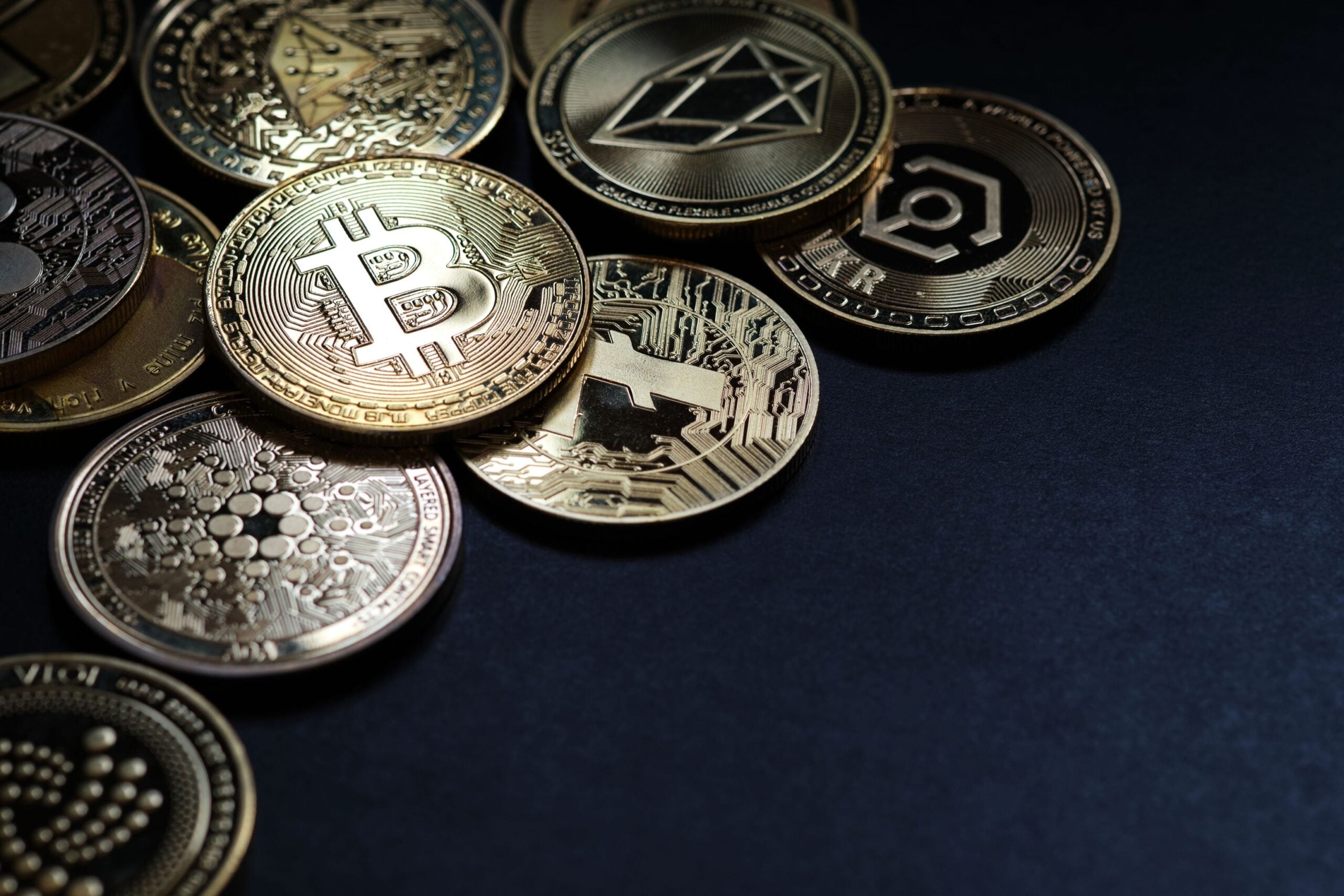
Crypto exchanges handle billions of dollars every day, but many people do not know what happens to their money after they send it to a trading account. Recent news about market security and major hacks shows why learning the basics of these platforms matters right now. If you want to trade digital coins safely, you need to know how these websites move your money and where the risks sit.
A crypto exchange is a web service that matches people who want to buy coins with people who want to sell them. Think of it like an online marketplace for digital cash. Instead of selling old clothes, you use it to swap regular money for digital assets like Bitcoin, or to trade one coin for another.
What Is a Crypto Exchange and How Does It Function?
When you sign up for an account, the platform creates a set of internal accounts for you. You deposit regular cash from your bank account or send coins from a personal wallet. The company keeps track of your total balance on a private digital balance sheet.
When you want to buy a coin, you put in an order. The platform checks its list of all open orders from other users. If someone else wants to sell at your price, the system trades the assets between both accounts. The seller gets your cash, and you get the seller's coins. The actual coins stay inside the corporate system during the whole process.
Fees are how these sites make their money. They take a small percentage of every trade you make. Some charge extra fees when you move cash out to your local bank account or send coins to an outside wallet. These small costs add up if you trade often.

The Main Types of Platforms You Can Use
Not every trading site works the same way. Most beginners start on centralized platforms. These are run by big private companies that hold your funds for you and handle customer support. They feel similar to normal online banking apps, which makes them easy to learn.
Decentralized platforms work without a central company in charge. Instead, smart software programs connect buyers and sellers directly. You keep control of your own wallet keys while trading. These tools offer more privacy, but they are harder for a beginner to use, and no customer service team exists to help you if you make a mistake.
Hybrids try to mix both ideas. They let you hold your own funds while using a fast system to match your trades. Knowing which type you use helps you understand who holds your funds at any given minute.
Keeping Your Money Safe on an Exchange
Safety is the biggest concern for anyone using these sites today. Recent reports show that even the largest platforms face massive attacks. Big headlines about the Binance Hack Sparks Big Questions About Crypto Insurance, showing that online accounts carry real threats every single day.
When you leave your money on a centralized site, you do not hold the secret keys to those coins. The company holds them for you. If the business goes broke, gets locked down by law enforcement, or suffers a bad system breach, you might lose access to your cash for a long time.
You can protect your account by turning on strong safety tools. Always use two-factor checks on your phone or email. Use strong passwords that you do not use on other sites. Never share your login details with anyone who calls or texts you, even if they claim to work for the company.
How Do Exchanges Differ From Personal Crypto Wallets?
Many new users get confused about the line between an account on a trading site and a personal software wallet. An account on a trading site is managed by a company. A personal wallet is a tool that only you control.
Leaving your assets on a site is good for quick trades. It is easy, fast, and does not require technical steps. Keeping your coins in a private wallet is safer for long-term savings because no one else can freeze your account. You can learn more about finding the right tools by checking out our main crypto updates guide for regular safety advice.
A good rule of thumb is simple. Only keep money on a trading site if you plan to buy or sell soon. Once you finish your trades, move the funds you want to save into a private wallet that you control completely.
Smart Steps for Your First Trade
Starting out does not need to feel scary if you take slow, careful steps. Do not rush to deposit large amounts of cash right away. Test the waters first so you can learn how the screens and order buttons work.
- Pick a well-known platform with a long history of safe operations.
- Finish the identity check process using real documents to secure your ownership.
- Turn on all security settings before you send any money to your new account.
- Start with a small deposit that you can comfortably afford to lose while learning.
- Practice placing a basic order before trying complex trading tools.
- Move your long-term savings out to a separate wallet once your purchase goes through.
Understanding how these platforms work gives you full control over your money choices. Never rush into buying a coin just because the price is moving fast. Take your time, read the terms of service, and double-check every address before you hit send. What safety step will you set up on your account today?


No comments:
Post a Comment