
A massive online attack just hit the biggest trade shop in the crypto world. Thieves walked away with billions of dollars from Binance, leaving everyday investors worried about their money. People want to know what happens when a exchange loses its cash, and if insurance can ever pay it back.
The short answer is that crypto insurance does exist, but it is not like normal bank protection. Standard banks cover your savings if the bank breaks, but digital asset protection has very strict rules. When a giant business loses money to hackers, getting those funds back takes time, clear proof, and a lot of fine print.
What Really Happened in the Recent Online Attack
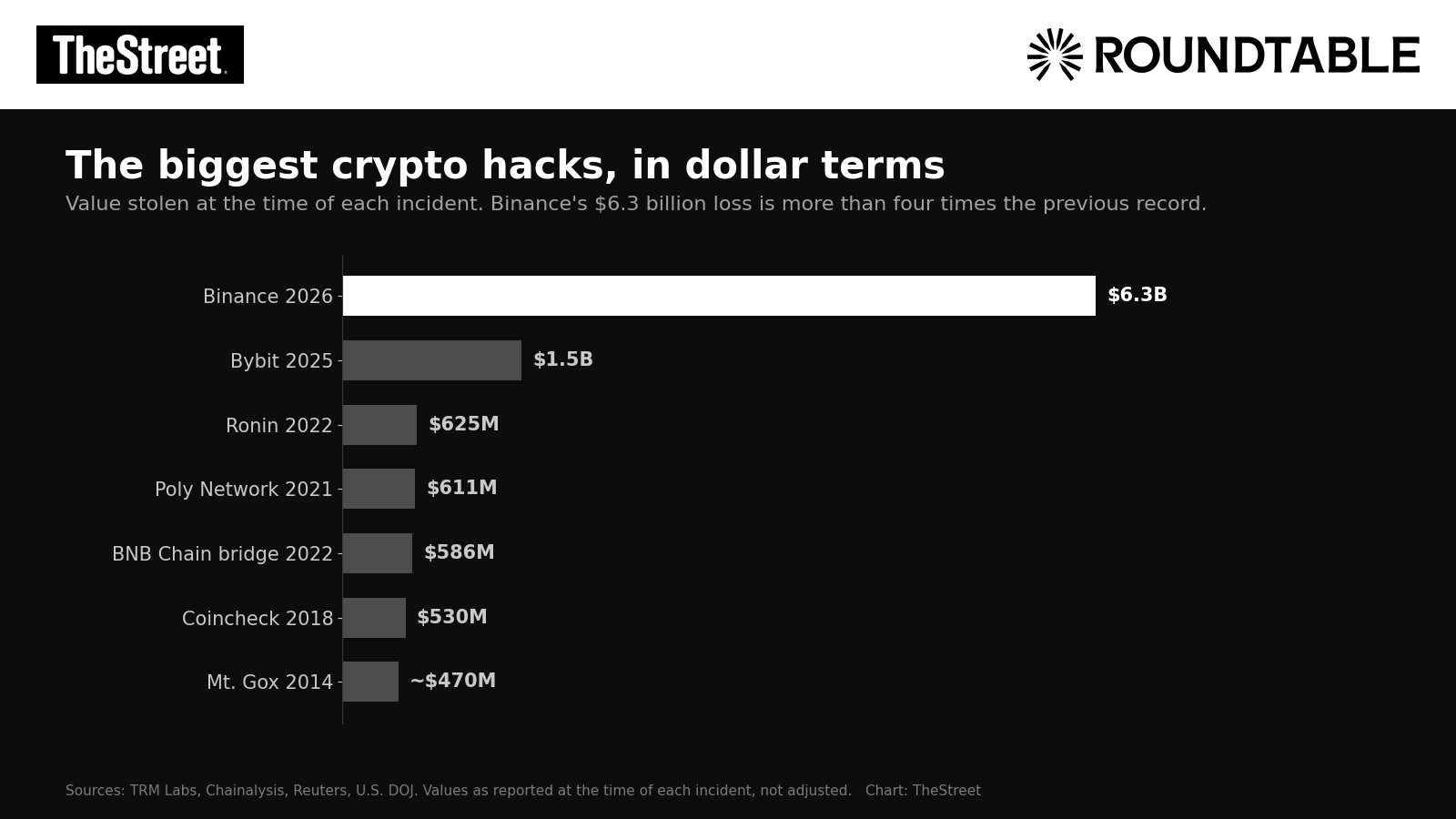
Security teams from TRM Labs and Reuters recently reported on the massive theft at Binance. Hackers tied to North Korea broke into the system and took around 6.36 billion dollars. It stands as the largest digital robbery in history. That amount of money is hard to even picture. It equals the total cash needed to run a medium city for a whole year.
Events like this shake your trust fast. You might check your own screen right now to see if your funds are still safe. When a major trading site gets hit, the whole market feels the shock. You can read more about how North Korea Steals Billions From Binance in Record Crypto Hack to see how the thieves got through the digital security walls.
The big problem is that digital coins move across a Blockchain in seconds. Once a bad actor transfers your money to an address they own, no single person can just hit a cancel button. That is why the market relies so heavily on safety nets after an attack happens.
How Crypto Insurance Works When Things Go Wrong
Most regular people assume digital asset platforms have the same safety nets as normal banks. In many countries, government rules protect your cash if a bank fails. Crypto trade sites do not have that same safety net from the government. Instead, they must buy private policies or set aside their own funds for bad days.
Private policies usually cover specific problems. They might pay out if a worker steals keys, or if a physical server burns down. They rarely cover every single loss from a massive online breach. If a company claims it has safety protection, you have to look at what that safety actually covers. Here are the main ways these companies try to protect user funds:
- Private policies: Companies buy coverage from large firms to protect coins held in cold storage off the internet.
- Self-made safety pools: Platforms set aside a small slice of every trading fee into a special vault for emergency payouts.
- Third-party coverage: External groups offer small policies directly to users who want extra peace of mind.
The main issue is the size of the loss. When an attack hits billions of dollars, standard private coverage is often too small to pay everyone back at once. It is like trying to put out a house fire with a single bottle of water. The math just does not add up fast enough for victims.
Can Insurance Pay Back Billions of Dollars?
When news broke that Reuters was looking into how crypto insurance works after the six-billion-dollar breach, experts started pointing out the hidden catches. Policy terms are full of strict rules. If a company fails to update its safety software, the policy provider might refuse to pay a single penny.
Another issue is time. Even if a policy agrees to cover a loss, checking every detail takes months or even years. Investigators must trace every coin. They have to prove that internal workers did not help the thieves on purpose. While managers fight with policy agents in court, regular users are left waiting for their cash.
This is why safety pools created by the platforms themselves have become so common. A company puts money into a vault every day. When a leak occurs, they pull cash from that vault to fix the damage directly. Yet, when a loss hits billions, even those private internal vaults can run completely dry.
How to Keep Your Own Funds Safe Today
You do not have to wait for trade sites or large firms to protect your coins. Taking control of your own safety is the best way to lower your risk. Keeping all your digital wealth on an exchange is like leaving your leather wallet on a restaurant table while you go for a walk outside. Someone might pick it up.
Instead, many users move their long-term savings into personal hardware devices. These look like small memory sticks. They keep your private keys away from the internet so remote thieves cannot reach them. You can check our crypto platform updates to see how other users manage their personal security choices every day.
If you prefer to keep some funds on a trading app for easy buying, use every safety tool they offer. Turn on two-factor steps with an phone app, not just regular text messages. Use long codes that combine words and numbers. Never share your login information with anyone who emails you, even if they claim to work for the site.
What Does This Mean for the Future of Trading?
The six-billion-dollar breach will force big changes across the industry. Lawmakers in many countries are already looking at new rules to make platforms buy bigger safety policies before they take money from the public. They want digital exchanges to treat user cash with the same care as traditional wealth managers.
This shift will make the market safer over time, but it might also raise fees for everyday traders. Better security costs money. Big policies cost money. Platforms will likely pass those extra operational costs down to the people using their services.
For now, stay smart and keep your eye on your own assets. Never risk money you need for rent or food. Spread your funds across more than one spot so a single breach cannot wipe you out completely. Will you take your extra coins off online apps this week?


No comments:
Post a Comment